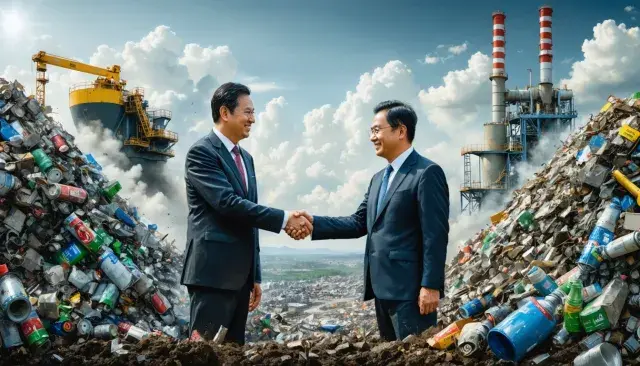
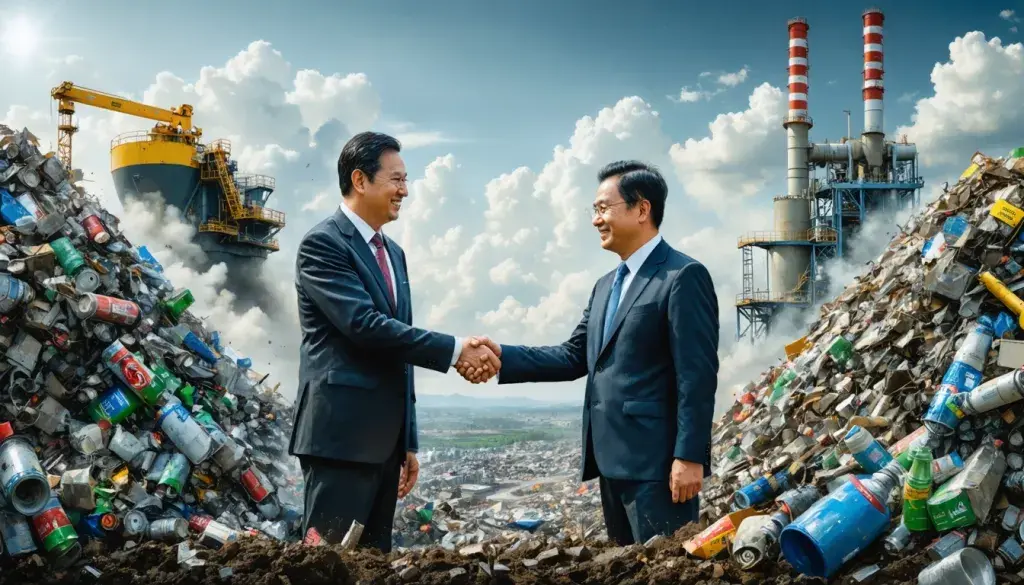
Antony Waste Handling Cell Ltd has partnered with Japan's JFE Engineering Corporation to build two waste-to-energy plants in Andhra Pradesh, attracting the first Japanese foreign direct investment in India's WtE sector. JFE will invest ¥750 million to take a 25% stake in the project vehicles, while Antony Waste holds 75% and leads local operations. This deal advances sustainable waste management amid India's daily generation of 150,000 tonnes of municipal solid waste, where WtE potential remains under 5% tapped out of 5,600 MW.
Project Structure and Financials
The plants target Kadapa and Kurnool districts, with JFE Engineering India acting as engineering, procurement, and construction contractor. Each facility processes 750 tonnes of waste daily from an inflow of 1,000 tonnes, generating 15 MW of power for a combined 30 MW output. Under a 20-year concession, they secure a power purchase tariff of ₹8.10 per unit, projecting ₹3,200 crore in total revenue financed by 75% debt and 25% equity. Construction starts soon, aiming for commissioning in the first quarter of FY2028–29.
Technology and Expertise Exchange
JFE Engineering brings experience from over 250 global WtE facilities, introducing advanced technologies, digital monitoring, and high environmental standards. Antony Waste contributes local execution strength, as noted by chairman Jose Jacob: “This investment marks a defining moment for India’s waste-to-energy sector. It validates our execution capabilities, governance standards, and long-term vision.” JFE's Akira Usui added that the move signals “our long-term commitment to bringing advanced technology and engineering excellence to support sustainable infrastructure development.”
Strategic Alignment and Sector Outlook
The partnership fits India-Japan Joint Vision 2025, fostering investments in priority areas like sustainable infrastructure through public-private models. It addresses India's waste challenges by enabling energy recovery, reducing landfill pressure, and scaling infrastructure. As policy support grows, such collaborations promise expanded WtE adoption, blending Japanese precision with Indian operational scale for enduring environmental gains.